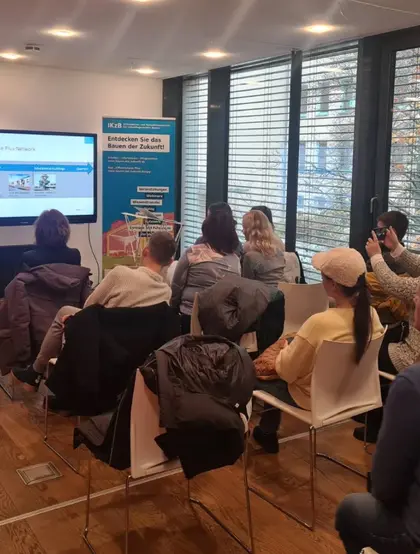
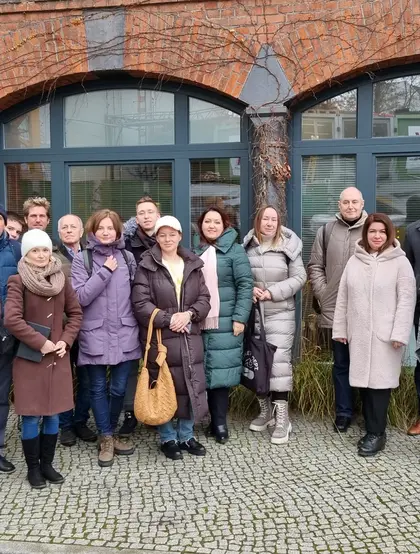
Presentation of the practical guide “Building ‘Green’ Energy Communities in Ukraine”
The guide “Building Green Energy Communities in Ukraine” explores the potential for engaging citizens in the energy transition to renewable energy sources in Ukraine, drawing on the experience and best practices of the European Union. The publication highlights the importance of creating citizen communities that promote the development of distributed generation, the production of “green” energy at the local level, ensuring energy security, and overcoming energy poverty.
The training material places particular emphasis on developing effective business models for the operation of energy communities in local communities, drafting an action plan, and establishing energy cooperatives as one of the organizational forms of energy communities. The practical recommendations and document templates provided will serve as a solid foundation for initiative groups and green energy enthusiasts seeking to drive change in the domestic energy sector and contribute to the country’s sustainable development.
The practical templates and sample documents (articles of association, business plan, financial model, and standard contracts) included in the appendices to this guide can be used by communities to take practical steps toward establishing green energy communities at the local level. These materials were prepared in accordance with EU regulations and national legislation.
All authors of the handbook are active mentors of the “Energy Communities for a Sustainable Ukraine” project (2023–2024), funded by the German Federal Foreign Office. The practical approaches outlined in the guide were tested by mentors in their work with teams that were working on case studies for the development of renewable energy projects during the RE-ENERGIZE UKRAINE 2023 championship. The information contained in this guide will also be used to conduct training sessions for communities and for further discussions.
You can view the digital version of the guide here
The opinions, conclusions, and recommendations expressed herein are those of the authors of this guide and do not necessarily reflect the views of the Heinrich Böll Foundation, the Kyiv Office – Ukraine, or the German government.
This practical guide was prepared under the overall coordination of experts from the NGO “SYNERGY Sustainable Development Agency” as part of the project “Green Recovery of Ukraine: Supporting the Democratization of Renewable Energy Sources and Energy Communities,” with support from the Heinrich Böll Foundation, Kyiv Office – Ukraine.